Why Eggs Are a Killer Weight Loss Food

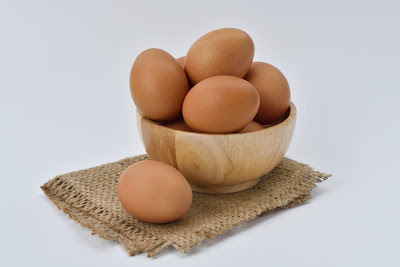
 Eggs can offer many health benefits as part of a healthy diet. Research has shown that consuming eggs can also help with weight loss.


Eggs are protein-rich, calorie-low, and can improve metabolism.


Throughout this article we explain how we should use eggs, including when to consume, and how to prepare eggs for weight loss.


Is eating eggs good for weight loss?


Eggs have low calories and are nutritional

Eggs-for-weight-loss.jpg


There are 78 calories in a large hard-boiled egg and many essential nutrients, including:


  • Antioxidants to encourage good eyesight are lutein and zeaxanthin

  • Promote bone health and immune function because of vitamin D found in its yolk

  • choline that stimulates and contributes to the growth of fetal brains

A reduction in calorie consumption, and adding eggs to a diet, could be the best way to lose weight.


Eggs are diets high in protein


Protein helps to minimize the weight because it is highly processed and eggs are a good protein source with a large egg supplying around 6 grams ( g).


The dietary protein intake is 0.8 g per kilogram of body weight.


That is to say:


the average man who needs 56 g of protein a day

The sedentary average woman needs 46 g Protein a day


Two large eggs represent therefore over 25% of the daily average protein needs of women sedentaries, and more than 20% of the combined needs of men sedentaries.


There have been some studies that consuming a breakfast rich in protein improves the satiety of a human, the fullness of a feeling. Furthermore, the results suggest that a breakfast rich in protein decreases the consumption of calories during the day.


Eggs can improve metabolism


The ingestion of a high-protein diet will increase metabolism through a mechanism called the thermal effect of food. It occurs because the body needs additional calories for digestion and nutrients found in foods.


All nine basic amino acids are found in one egg. These amino acids are important to your workout and play a key role in metabolism of energy. Amino acids present in proteins are something without which we can not survive and essentially power all of our cells in the production of protein and in the energy process. Weight gain and loss is a vital metabolism product, depending on the availability of amino acids in the body.


Carbohydrates and fats are also capable of improving  the metabolism but are less effective than protein.


Eating eggs and other protein-friendly foods can indeed help people consume more calories than consuming carbohydrates or fats.


Eggs have nutrients that can improve the functioning of the thyroid.


The synthesis of thyroid hormone is based on iodine and selenium, both present in large quantities of eggs. And the thyroid is a vital organ for weight control as it controls the metabolism of the body.


When to eat eggs for weight loss purposes


When an individual is eating them for breakfast, eggs can be particularly helpful for weight loss.

weight-loss-food.jpg


A variety of studies have compared the impact of consuming eggs in the morning to consuming the same calorie in other breakfasts.


Many research in overweight women have shown consuming eggs instead of bagels improved their feeling of satiation and caused them to eat less calories throughout the next 36 hours.


The same conclusion was drawn from a similar study in men that shows that egg breakfast substantially decreased their intake in calories in comparison with bagel breakfast for the next 24 hours. Those who took eggs also felt more satiated.


Calorie intake monitoring remains important, however. A research study in 2008 reported that the weight loss of overweight or obese in egg-based breakfast participants was increased, but was only part of  managed calorie in the diet.


Best ways to eat eggs for weight loss


The main thing is to include it in a balanced diet.


Eating eggs for breakfast appears to be the perfect option, since it can reduce the calories people consume every day.


Eggs are simple to cook and nutritious. People seem to like them:


Boiled - Boiling does not require any extra fat, that will make the product healthier. It is an unhealthy choice when people use mayonnaise eggs or blend them into mayonnaise-based salads.


A plain hard boiled, sliced egg is a healthy alternative to sandwich and salad meats for your protein. You would want a soft boiled yolk if you want a soft, jammy core where you can dip toast points. How long you cook it is the only difference between these styles.


Scrambled - This is one of the simplest ways to cook eggs. Only a pan and a little healthy oil are required. Furthermore, this form of cooking adapts well to supplements.


Baked - Yeah, eggs can be baked. These recipes are very hard to prepare since many require you to put the ingredients in a baking dish and slip them into a warm oven.


Fried

Poached - Poaching is more similar to boiling without the shells. Since their shells are not covered in the cooking process, you only need to dry the water and handle them carefully. For better results, use the freshest eggs available.


Poaching requires some skill, but the ability is not hard to master. When you get a taste of it, you could perhaps add poached eggs, salads and toast to the top of your vegetables.


How many eggs should a person eat?


You may have too many when adding eggs to a balanced diet. In terms of the amount of yolk cholesterol you use, the liver decreases the amount it produces, balancing out your blood levels when you eat a lot of cholesterol in your diet. Just about 30 % of individuals in a study had adverse reactions to dietary cholesterol that affect their blood cholesterol. However, most stable people will consume as many as 3 whole eggs daily without a shift that adversely affects their blood chemistry.


While your doctor will approve you to eat a normal egg-based meal, be cautious if you want to lose weight. When you are trying to shed pounds, calories are still crucial. For instance, if you usually eat a 400-calorie breakfast in a bagel or cereal and then turn to a 3-egg meal, your morning consumption could be reduced to 240 calories, i.e. three boiled eggs and be sure to cut calories all day and not just add more food.


Bottom Line


The eggs are rich in protein and other nutrients and are a low-calorie food. Eating eggs may help to lose weight , especially when they are included in a calorie-controlled diet.


Studies indicate that eggs increase metabolic activity and fullness. Eating an egg breakfast can prevent a person from eating additional calories for the whole day long.


Avoid preparing eggs by adding excess fat, for example, from butter or oils in order to support weight loss.


If you are at risk of cardiovascular, you should only eat whites and carefully monitor your intake of cholesterol.


10 Fat-Burning Foods That Will Jump-Start Your Metabolism

No single food can target your turkey neck immediately (fat loss only happens when you consume more calories than you eat, causing your body to break down lipid stores preferably for energy). But what fat burning foods you eat will help you torch body fat alongside a good exercise regimen.

Forget about dietary limitations. Rather than eating less for weight loss, we’re here to tell you that eating more of these foods will increase your ability to burn calories by balancing your body and increasing your metabolism.

1.    Berries

Berries are filled with polyphenol antioxidants that help to burn fat — and prevent it from forming — as well as improve your exercise benefits by improving your muscle blood flow.

Berries are filled with fiber and antioxidants (up to 9 grams a cup!), which contain less sugar than other fruits. That combination makes them a safe and satisfactory alternative.

2.    Avocados

Since a 2013 study linked daily avocado eaters to lower waist circumference and BMI, your toast obsession with avocado may be a positive thing. And the monounsaturated fats are heart-healthy and filling, which means you are less likely to snack later in the day on the processed food.

3.    Salmon

The equation of fat burning is simple: Protein is building muscle. More muscle = more burning fat. And fish is one of lean protein's healthiest sources-particularly wild salmon.


Wild salmon have more brain, heart, joint, and gut-healthy omega-3 fatty acids than any other food, plus low-glycemic, thus preventing spikes of insulin and storing fat around the center.

 The balance of the omega-3 and omega-6 fatty acids is the secret to remaining lean. Yet salmon fats satisfy, making it impossible to over-eat.

4.    Grapefruits

Each slice of grapefruit that you add to your salad works as a match to trigger fat-burning potential in your body.

Other grapefruit compounds help the body use insulin more efficiently, which keeps the blood sugar in check and can also help you burn calories. Before eating maybe just don't sprinkle it with sugar.

5.    Kale

Good thing this green is nowadays in every grocery store and on most menus. An alkaline food, it's high in fiber, slowing glucose release to avoid spikes of insulin.

You will enjoy baked, juiced or uncooked kale. Either way, it is full of essential fatty acids, vitamin K, omega 3, and fiber and is a rich source of calcium for healthy bones plus low energy density.

One study found that consuming foods that are low in energy density on a regular basis can be an effective weight management strategy.

It is also filled with energizing iron and magnesium that helps to reduce the body's stress hormones.

6.    Olive oil

While olive oil contains fat, it does actually contain a form of healthy fat that has been shown to decrease levels of inflammation that stores fat.

Ditch the butter, set the cooking spray aside and brush the olive oil in your pan. Unlike fish oil, it is filled with omega-3 fatty acids that help keep your gut, brain, and other organs functioning efficiently and control your appetite.

7.    Green Tea

It has been shown that other teas improve metabolism, inhibit the development of new fat cells, speed the release of fat from cells and actually toggle off fat genes due to their catechin levels, but green tea has a leg up on the competition.


Green tea is really one of the only natural fat-burning beverages available to the customer. The high level of EGCG — the gallate of epigallocatechin — activates enzymes that get fat cells to release their stored fat and increase the amount of fat used for energy.

Use it for 4 p.m. today, instead of coffee. Take-me-up. Green tea assists the thyroid in its hormone thyroxine development, reviving up the metabolism for several hours.

8.    Eggs

Sunny side up, scrambled, fried or hard-boiled — it doesn't matter. A saucepan, spatula, and egg carton are all you need to fry some serious flab. Eggs are one of the best sources of choline, a big fat-burning nutrient that helps turn off the genes that are responsible for storing abdominal fat.


If you always start your day with eggs, we have good news: high-protein breakfasts, especially egg-including breakfasts, have been linked to weight loss, reducing the production of belly fat.

9.    Bananas

Starting your day with a banana, thanks to all the potassium they contain, might be great news for your metabolism.


Potassium helps your body control nutrients and fluids in and out of your cells and can theoretically increase the amount of basal metabolism, a measure of calories burned when awake at rest.

10.    Hot Peppers

Prepared to burn calories?

Adding a little spice into your life could greatly fire up your metabolism. Evidence indicates that capsaicin, the naturally occurring compound found in hot peppers, may be useful for weight loss due to its potential ability to produce heat, burn calories and break down fat.

Bonus

Sweet Potatoes

When it comes to blasting fat the term "slow carb" is anything but sluggish. Slow carbs are slowly digested, which leaves you feeling more full and energized for longer — and sweet potatoes are one of them.

Among the magic ingredients here are carotenoids, antioxidants that stabilize blood-sugar levels and lower insulin resistance, helping your body to convert calories into energy efficiently rather than store them as fat. And their high profile of vitamins (including A, C, and B6) give you more energy to burn in gym.


How Long Does It Take to Notice Weight Loss from Working Out?

Unfortunately, a few days before a beach holiday, hitting the gym hard doesn't turn into having a beach body. It can take time to see weight loss results from the work out. Depending on how much weight you must lose, weight loss can be seen on the scales in a few weeks ' time.

That might not turn into having a six pack in a couple of weeks, though. It may take more than 6 weeks to see the muscle definition and fat loss, which means it is not a quick fix.


Any exercise, though, can be beneficial for health, even if you don't see results from your workout.

Even if after a few weeks of working out and eating properly you start to see weight loss, it's important to stick with your positive habit changes over the past couple of weeks.


In the first few weeks weight loss can be mainly water weight loss. Exercising with changes in healthy diets can promote fat loss rather than muscle loss.

Exercising too much and not eating enough, however, can zap your muscles and may actually encourage your body to retain fat as fuel.


Muscles grow when they rest, not when they do exercise. Hence, keeping a workout balance, eating properly to fuel muscles and leaving time for muscle recovery is critical.

If you're working on specific health measures such as lowering blood pressure, enhancing insulin sensitivity or enhancing blood cholesterol, aim to keep up with your workout and healthy diet routine for at least 12 weeks.


It is important to work with a healthy, balanced diet for any positive impact on weight loss, muscle growth, fitness gains or other health parameters, enough sleep and healthy ways of relieving stress.

A proper balance of exercise and recovery should be developed to encourage optimum muscle development. Working with a sports dietitian or an exercise specialist can help you tailor a plan to suit your needs.

How Long to Notice Weight loss?

Exercising alone will not cause significant weight loss unless the exercise training is really high.

Weight loss can indeed be achieved from following a fad diet, but weight recovery usually occurs right after the diet stops.

It can help to support chronic weight loss over time by combining healthy, sustainable eating practices with a proper exercise routine. Most health experts propose a weight loss of 1-2 pounds per week.


The first couple of weeks of changing your diet and fitness routine may initially encourage more weight loss. Keeping on with your healthy lifestyle can encourage long-term weight loss.

How quick will you’re working out show off your muscles?

That can vary considerably. It can rely heavily on how much body fat you have, and what kind of exercise you do. It can take more than 6 weeks to notice a change, according to some studies.


It is impossible to say exactly when you may notice a change in the composition of the body, because there is a lot of individual variance.

Balancing work-out with recovery is key to muscle strength and growth improvement.

When do you see improvements in fitness?

While these bleak estimates for seeing muscle toning right away may sound discouraging, you can notice small changes within a few weeks of starting to work out. That's all good news!

Your exercises will become simpler, you may not get as windy as when you first started, you may be able to go faster or lift more weights, and so on. Fitness improvements may be the first thing you notice when you see results after work out.

These minor, but noticeable, changes indicate your body is changing. Your muscles are changing in structure to increase their capacity, and your cardiovascular system is improving.


While this may not translate into a drastic drop on the scale or a muscle that defines 6 pack, these improvements mean positive health shifts.

Health improvements

Some research suggests changes in health improvements could occur in about 3 months after starting to work out. Other studies have shown that exercise can have a positive effect on reducing blood pressure, increasing HDL and regulating blood sugar in a positive way.

Working out longer than 3 months can be source of other benefits such as lowered cardiovascular disease risk and improved cardiovascular fitness.


How to Quickly Lose Weight: 3 Basic Steps

There's a lot of ways to lose weight quickly.

That said, there are many diet plans that leave you feeling hungry or unfulfilled. These are major reasons why you may find it difficult to stick to a diet.

Not all diets do have that effect, though. Low carb diets are effective for loss of weight, and may be easier to stick to than other diets.

Here's a 3-step weight loss plan that uses a low carb diet with the aim of:

  1. Reduces your appetite considerably
  2. Makes quick weight loss 
  3.  Improve your metabolic health

Reduce carbohydrates

 It's recommended that you take weight loss diet low in carb for faster weight loss.

Your appetite rates go down when you do so, and usually you end up eating slightly fewer calories.

Your body now starts burning stored fat for energy, instead of burning carbs for energy.

One other benefit of cutting carbs is that it reduces insulin levels , causing excess sodium and water to be poured out in the kidneys. This reduces the weight of the bloating and unnecessary water.

It is not unusual to lose up to 10 pounds (4.5 kg)-sometimes more-in the first week of eating this way, according to some dietitians. This weight loss covers body fat as well as water weight.

Simply put, reducing carbs will lead to weight loss quickly and easily.

Eat protein, vegetables and fat

Each of your meals should contain a source of protein, a source of fat and low carb vegetables.

In general, try to eat between two and three meals a day. If in the afternoon you 're hungry add a fourth meal.

Building your meals this way should reduce your carb intake to about 20–50 grams per day.

Protein

Ample protein eating is an essential part of this plan.

Evidence suggests eating lots of protein can increase calorie spending by 80–100 calories per day.


High protein diets can also reduce food cravings and obsessive thoughts by 60%, reduce your desire to snack by half late at night, and make you feel full. People with a higher protein diet eat 441 fewer calories a day in one study.

Protein is a crucial nutrient to be thinking about when it comes to weight loss.

Protein sources which are healthy include:

Meat: beef, pork , chicken, and lamb

Fish and seafood: salmon, shrimp, and trout

Eggs: Eggs complete with yolk

Farm protein: wheat, legumes, and soybeans

Low-carb greens

Don't be afraid to load weight loss low carb vegetables onto your plate. They are filled with nutrients, so you can eat very large amounts without reaching 20–50 net carbs a day.

A diet mainly focused on lean sources of protein and vegetables provides all the food, vitamins, and minerals you need to be balanced.

A weight loss diet for a vegan may include vegetables such as:

Broccoli, cauliflower, spinach, tomatoes, kale, Brussels sprouts, cabbage, Swiss chard, lettuce and cucumber

Healthy Fats

Don't worry about eating the fats. At the same time trying to do low carb and low fat can make it very difficult to stick to the diet. 

Healthy Fat Sources include: 

  1. Olive oil
  2. coconut oil
  3. avocado oil
  4. butter

Assemble each meal from a source of protein, a source of fat, and vegetables low in carb. This will generally put you within a range of 20–50 grams of carb and lower your hunger levels significantly.

Lift weights 3 times a week

To lose weight on this program, you don't need to workout but it will have extra benefits.

By lifting weights, you'll burn lots of calories and avoid slowing down your metabolism, which is a common side effect of weight loss.

Low carb diet studies show you can gain a bit of muscle while losing significant amounts of body fat.

Try to go to gym to lift weights three to four times a week. If you're new to the gym, ask for some tips from a Trainer.

If lifting weights is not an option for you, it will suffice to do some cardio workouts such as walking , jogging, running , cycling or swimming. Weight loss can help with both cardio and weightlifting.

How fast are you going to be losing weight?

In the first week of the diet plan, you may lose 5–10 pounds (2.3–4.5 kg) of weight — sometimes more — and then consistently lose weight thereafter.

If you're new to dieting, you may experience weight loss faster. The more weight you have to lose, the sooner you lose it.

You could feel a little strange for the first few days. Your body is used to running off the carbs and instead it can take time to get used to burning fat.

Most people on a low carb weight loss diet plan lose a significant amount of weight but the speed depends on the individual. Low carb diets also boost other health indicators, such as blood sugar levels and cholesterol levels.

Take  Message Home

You'll likely experience reduced appetite and hunger by reducing carbs and lowering insulin levels. That eliminates the key reasons why maintaining a weight loss plan is always difficult.

 On this plan, you can probably eat healthy food until you're full and lose a substantial amount of fat yet. The initial drop in the weight of the water can lead to a drop in the scales within days. It takes longer to lose fat.

Studies comparing low-carbon and low-fat diets indicate that even a low-carbon diet could cause you to lose up to two to three times more weight than a traditional low-fat, calorie-restricted diet.

If you have type 2 diabetes, talk with your health care professional before making any changes, as this program can minimize your medication needs.


Biggest Myths About Weight Loss


There's a lot of online weight loss tips.
Much of that is either untested or not effective.
Below are the top biggest weight loss lies, myths and misconceptions.


1.       All the calories are the same

Calorie is an energy metric. Each calorie has the same energy content.
That does not mean, however, that all calorie sources have the same effects on your weight.
Different foods go through various metabolic pathways and can have dramatically different effects on appetite and body weight control hormones.

A protein calorie, for example, isn't the same as a fat or carb calorie.
Replacing carbs and fat with protein will improve your metabolism and lower your appetite and cravings, while improving the role of certain hormones that control weight.

Calories from whole foods, such as fruit, tend to be much more filling than calories from processed foods, such as sweets.

2.      Weight-loss is a linear phase

Losing weight is, as some people think, generally not a straightforward operation.
You may lose weight for some days and weeks, while you may gain a little bit during others.
That's not a cause of concern. A fluctuation of up and down by a few pounds is common for body weight.

You can, for example, bear more food in your digestive system, or hold on to more water than normal.
This is much more pronounced in women, as the water weight during the menstrual cycle can fluctuate considerably.

As long as the overall trend goes down, no matter how much it fluctuates, you can still continue to lose weight in the long run.

3.      Eating less, and working out more


Body fat is energy which is stored easily.
You need to eat more calories than you consume to lose weight.

It seems only natural therefore that eating less and doing more will cause weight loss.
While this advice works in principle, particularly if you are making a drastic change in lifestyle, it is a bad suggestion for those with a serious weight problem.

Most of the people who obey this advice end up recovering some weight lost because of physiological and biochemical factors.

To lose weight with diet and exercise, a significant and lasting shift in attitude and behavior is needed. This isn't enough to limit your food consumption and have more physical activity.

It's like asking someone with depression to cheer up or someone with alcoholism to drink less is instructing someone with obesity to actually eat less and exercise more.

4.      Fat makes you get fat

Fat offers around 9 calories per gram, compared to only 4 calories per gram of carbs or protein.
Fat is very dense in calories, and is common in processed foods. But fat doesn't make you obese as long as your calorie consumption is within a safe range.
Additionally, several studies have shown that diets high in fat but low in carbs cause weight loss.
Although your diet can certainly render you fat with unhealthy, high-calorie processed foods, this macronutrient is not the main perpetrator.

Related: Common Reasons why you are not losing weight


5.      Quick food often triggers fattening

Not all junk food is unhealthy.
Most fast-food stores have started selling healthy alternatives because of the growing health consciousness of the people. Some also concentrate solely on serving nutritious foods, such as Chipotle.

It is possible to at most restaurants to get something fairly safe. Many restaurants serving inexpensive fast food also provide healthy alternatives to their main offerings.

These foods may not meet every health-conscious individual's requirement but they are still a good option if you don't have the time or resources to prepare a balanced meal.

Take Message Home


You may have learned a lot of the same theories, if you're trying to lose weight. You may also have believed some of them, because they are difficult to resist in Western society.
Most of those theories are famously false.

If anything, the correlation between your food, body, and weight is extremely complex.

If you are interested in weight loss, consider learning about the improvements you should make to your diet and lifestyle based on evidences.


How to Lose Weight Safely and hold it off


If you've already tried and failed to lose weight, you might think it's just too hard. But there are successful ways to avoid common dietary traps, and to find delicious, energizing and healthier options to fill. Here is what to do.


Firstly, bear in mind that a lot of experts suggest it's best to slowly lose weight. A stay off is more likely. When you shed pounds too quickly, the Academy of Nutrition and Dietetics says you'll lose muscle, bone, and water instead of fat.


The Advice of the Academy


Focus at losing 1-2 pounds a week, and avoid fad diets or foods with claims that sound too good to be true. It is best to focus your weight loss on improvements you will be able to stick to over time.


how-to-lose-weight-safely


Have a plan


You've always heard the saying, "calories in, calories out;" ie, you just have to consume more calories than you're eating and drinking.

 As many people will tell you from their own experience, it is not that easy.

Your metabolism — how quickly the body turns calories into fuel — matters too. And if you eat too many calories, it will be bad for you. You slow down your metabolism and that can make certain nutrients short.

There are several ways you can get there, without consuming more calories. Some which include the following;

ü Cut down on portions.

ü Calculate how many calories you get in your normal day, and cut back a little bit.

ü Scan the food labels to find out how many calories every serving contains.

ü Drink more water so you don't feel so thirsty.


Whatever approach you use, you will need to choose good-for-you foods such as vegetables, fruits, whole grains, and lean protein to maintain healthy nutritional properties. It's a good idea to meet with a dietitian and you're making a program that will address those needs.

Get support and be accountable

Many devices will help you keep track of your meals. As you probably have your smartphone all the time with you, you can use it to keep up with your program. Or keep a pen-and-paper log of what and when you eat.

You can also attend a weight loss club, where you can speak to people who can relate to how it works. Or talk in a positive way to someone you know who's lost weight. In a positive way their support is "contagious!"


Find out what you're eating


You will need to learn what makes you want to eat when you're not hungry, so you will need to have a strategy for those occasions.

The first move is to find out what are the causes. In a certain part of your life, is it tension, rage, anxiety or depression? Or is food your principal reward when something positive is happening?


Next, aim to recognize when those feelings are coming up and have a strategy ready to do something else rather than feed. Can you go for a walk?  Send an sms to friend?


Finally, congratulate yourself for having made a better choice. Using food as a reward should not be a reward.


Update when and what to eat


To lose weight, you don't need to go vegan, gluten-free or leave any specific food category. In reality, if it is something you can live with for the long term, you're more likely to hold the pounds off for good.

It is therefore beneficial to get on the following and where possible eliminate completely;

ü  Cut down on added sugar

Such are the sugars in cookies, cakes, sugar-sweetened beverages, and other things — not, for example, the sugars which are naturally in fruits. Sugary foods also have a lot of calories with a low amount of nutrients. Seek to spend less than 10 per cent of your calories on added sugars every day. 


ü Be selective on carbs

You can pick the ones you consume, and how much. Check for those low on the glycemic index (for example, in the glycemic index asparagus is lower than a potato) or lower in carbs per serving than others. Whole grains are better options than processed foods because processing lacks essential nutrients such as vitamins starch, iron, and B. They can be added back, as in "enriched" bread for example.

ü Say yes to protein

It's relaxing and helps keep the muscles working. There are vegetarian and vegan sources (a few are nuts, beans, and soy), and lean meat, poultry, fish, and dairy.

ü Increase fiber uptake

You would get that from beans, whole grains, fruits — fiber can come from any plant food. Many people do have more than others. Artichokes, green peas, broccoli, lentils and lima beans are amongst the main sources. Raspberries lead the list between fruits.

ü Check on that drink

One easy way to easily lose weight is to cut out liquid calories like soda, fruit and alcohol. Substitute them with zero-calorie beverages such as lemon juice, unsweetened tea or black coffee.


Compared to sugary beverages, diet drinks will save you calories. But if you reach for a cookie or other treat then because you're either hungry or you think you've saved enough calories for it, the strategy will fail.


No matter how you kick-start your weight loss, with long-lasting lifestyle improvements like a balanced diet program, and physical activity are the only way to hold it off. You may want to consult a registered dietitian if you are not sure where to start, how much calories to cut, or how to do it safely.


Takeaway


It's important to note, when it comes to weight loss, there are no easy fixes.

Eating a safe, balanced diet is the easiest way to achieve and maintain a healthy weight.


It will include 10 servings of fruit and vegetables, protein of good quality and whole grains. Exercising at least 30 minutes per day is also helpful.